
Compare Local Contractors for Reliable Mold Air Testing
Compare local contractors for mold air testing to verify experience, define scope clearly, and set expectations in writing for a reliable, effective service.
Mold air testing services typically involve sampling the air within a property to identify the presence and concentration of mold spores. These tests help determine whether mold levels are elevated compared to outdoor air or acceptable standards, providing valuable information for diagnosing mold issues. Contractors in this field often utilize specialized equipment to collect air samples, which are then analyzed to detect mold types and quantities. Understanding the scope of mold air testing can assist property owners in assessing indoor air quality and making informed decisions about remediation needs.
Defining the scope of mold air testing is an important step in ensuring the work meets specific concerns and property conditions. A clear scope outlines what areas will be tested, the types of samples to be collected, and the analysis methods used. Properly documenting these details in writing can help prevent misunderstandings and ensure that the testing aligns with the property owner’s objectives. It also provides a basis for evaluating the thoroughness of the work and comparing different service providers based on their approach and coverage.
Property owners seeking mold air testing services should compare local contractors carefully to find the best fit for their needs. Key factors to consider include the contractor’s experience with similar properties, the methods they employ, and how comprehensively they define and communicate the scope of work. Verifying that contractors provide detailed, written descriptions of their testing procedures can help ensure expectations are clear. By reviewing credentials, asking about their approach, and confirming their familiarity with local property types, property owners can make more informed decisions when selecting a service provider for mold air testing.
Compare local contractors by outlining your testing priorities, verifying experience, and setting clear expectations in writing.
- Compare Service Providers - evaluate multiple local contractors to find the best match for mold air testing needs.
- Define Testing Scope - clearly outline the areas and types of testing required to ensure accurate results.
- Verify Experience and Expertise - review the background and capabilities of local contractors to handle mold air testing effectively.
- Set Expectations in Writing - ensure all testing procedures and deliverables are documented to avoid misunderstandings.
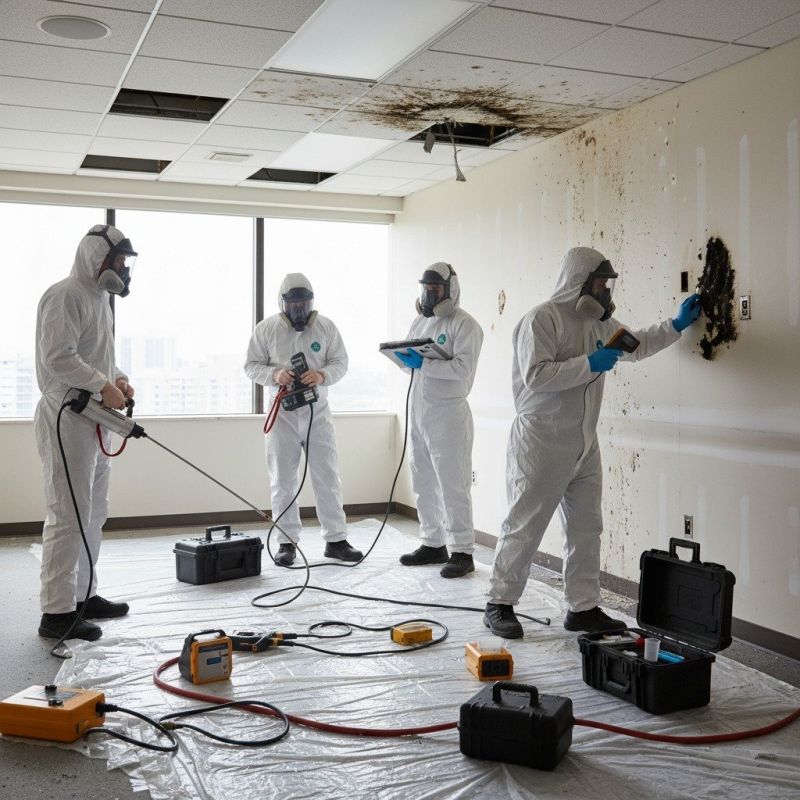
Compare local contractors by clearly describing your mold air testing project, verifying their experience, and setting expectations in writing.
- Verify that the contractor has experience performing mold air testing in residential or commercial settings. - Ensure the scope of work is clearly defined and documented in the project agreement.
- Check that the service provider explains their testing methods and the types of samples collected. - Confirm that the contractor discusses how air samples will be analyzed and interpreted.
- Assess whether the contractor provides a detailed report outlining findings and recommended next steps. - Look for clear documentation that supports understanding of mold presence and levels.
- Compare multiple local contractors to evaluate their approach, experience, and communication about mold air testing procedures. - Use comparison to identify the most suitable service provider for specific needs.
- Ensure the scope of testing and expected deliverables are agreed upon in writing before work begins. - Having a written scope helps set clear expectations and avoid misunderstandings.
Compare local contractors’ experience and clarify scope to ensure effective mold air testing services.
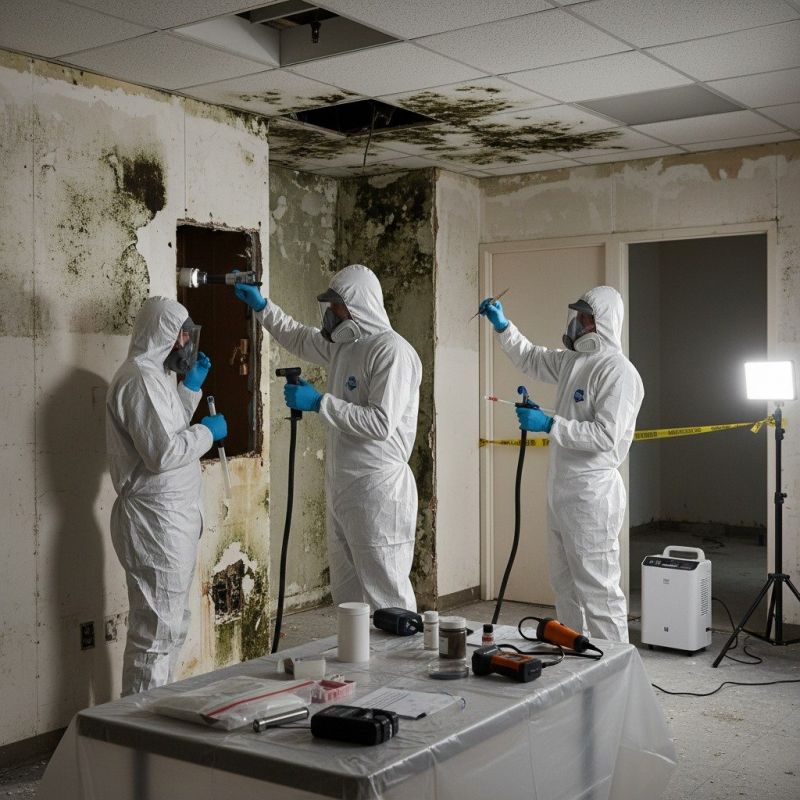
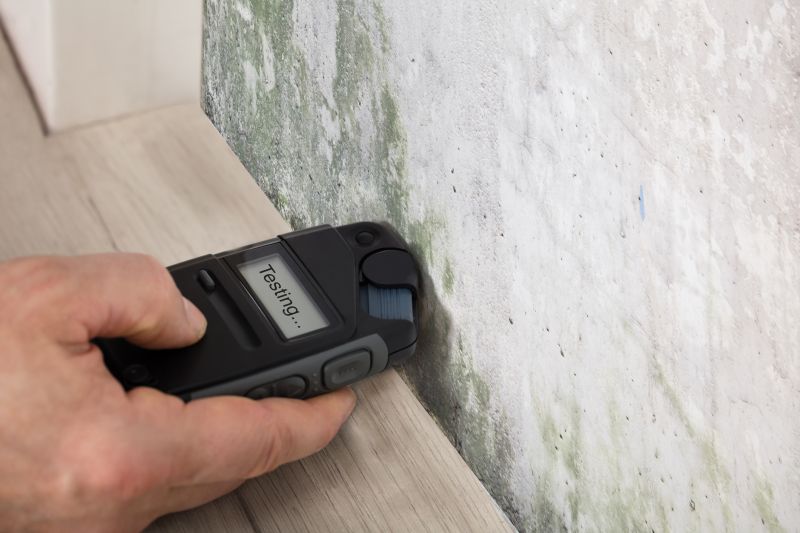
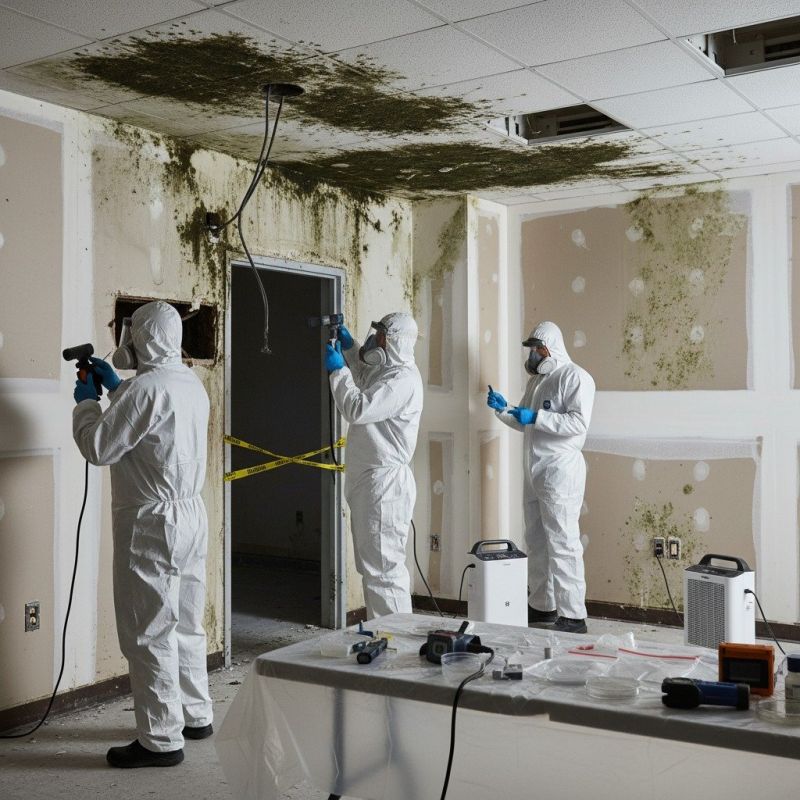
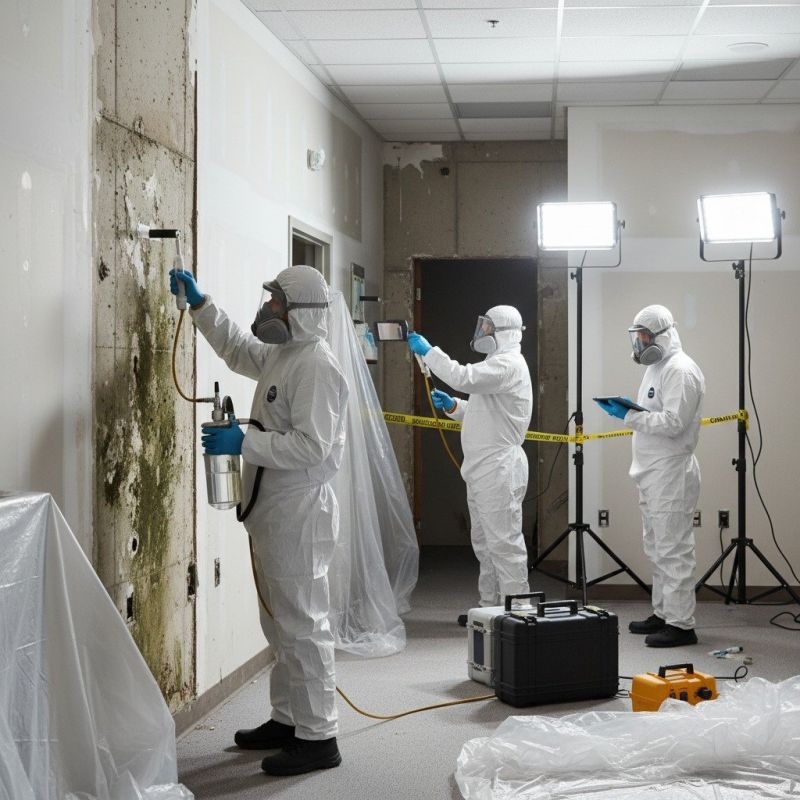
Learn how to compare mold air testing contractors, define scope, verify experience, and set clear expectations consistently.
- Scope Definition - Clearly specify the areas and surfaces to be tested for mold presence.
- Sampling Methods - Determine the types of air testing techniques to be used, such as spore traps or air filters.
- Experience Verification - Confirm that service providers have relevant experience with mold air testing procedures.
- Reporting Requirements - Define the details and format of the test results and reports to be provided.
- Scope of Follow-up Testing - Establish if and when additional testing is necessary after initial assessments.
When comparing contractors for mold air testing, it is important to consider their experience with similar projects. Service providers who have a history of performing mold testing in residential or commercial environments are often more familiar with the specific challenges and standards associated with these types of assessments. Inquiring about their background can help determine whether they have the relevant expertise to accurately identify mold presence and provide reliable results. A contractor’s familiarity with different building types and testing scenarios can contribute to more precise and trustworthy findings.
A clear, written scope of work is essential when evaluating mold air testing contractors. This document should outline exactly what testing will be performed, including the areas to be tested, the methods used, and the type of samples collected. A comprehensive scope helps ensure that both parties have aligned expectations and reduces the risk of misunderstandings or overlooked details. When reviewing proposals or descriptions of services, look for a detailed explanation of the testing process and the deliverables, which can serve as a foundation for making an informed decision.
Understanding verification basics is another key factor when comparing service providers. Reliable mold air testing should include proper sampling techniques, appropriate laboratory analysis, and clear documentation of results. Contractors who can explain their testing procedures and how they ensure accuracy demonstrate a commitment to quality. Additionally, inquire whether they provide guidance on interpreting results or next steps based on the findings. This level of transparency can help homeowners assess whether the contractor’s approach aligns with industry standards and best practices.
Evaluating options without focusing on prices involves assessing the quality and clarity of the services offered. Consider how well each contractor explains their testing methods, the experience they bring, and the thoroughness of their scope. It’s also valuable to review how they verify and communicate results, as well as their willingness to answer questions or clarify procedures. By focusing on these aspects, homeowners can identify service providers who prioritize accuracy and professionalism. Ultimately, choosing a contractor with a transparent, detailed approach can lead to more reliable testing and better-informed decisions about mold management.
Ask contractors to provide written scope details to ensure clear understanding and consistent expectations.
- Experience and Credentials - What experience do the contractors have with mold air testing and similar projects?
- Scope of Services - How do the contractors define and outline the scope of mold air testing services they provide?
- Testing Methods - What testing techniques and equipment do the service providers use to ensure accurate results?
- Reporting and Documentation - How will the contractors present their findings and ensure the results are clear and comprehensive?
- Comparison and Qualifications - What criteria should be used to compare contractors’ qualifications and approaches to mold air testing?
What should I consider when choosing a contractor for mold air testing? It's important to compare local contractors based on their experience, scope of services, and how clearly they define the testing process in writing to ensure transparency and thoroughness.
How can I verify a contractor's experience with mold air testing? Ask for details about their previous work, certifications, or references to help determine their familiarity and expertise in performing accurate mold air testing.
What questions should I ask a contractor before hiring for mold air testing? Inquire about their testing methods, the scope of the testing, how results will be communicated, and whether they can help interpret the findings to understand potential mold issues.
Why is it important to have a written scope of work from the contractor? A written scope clarifies what services will be provided, helps set clear expectations, and ensures both parties agree on the testing procedures and deliverables.
What factors help compare different contractors for mold air testing? Consider their experience, clarity of scope, professionalism in communication, and how thoroughly they explain their testing process in writing.
How can I ensure a contractor's testing process is reliable? Look for contractors who clearly outline their testing procedures, define the scope in writing, and provide detailed explanations of how samples are collected and analyzed.
Visitors now have a clear understanding of how to identify and compare contractors who specialize in mold air testing. They’ve learned the importance of defining the scope of work, verifying experience, and putting all details in writing to set clear expectations. This approach helps ensure the chosen service provider aligns with specific needs and provides transparency throughout the process.
To explore options and find the right contractor, visitors are encouraged to use the quote form to compare local service providers. This simple step makes it easier to connect with experienced professionals who can handle mold air testing and related services, empowering informed decisions based on their unique requirements.