
Compare Local Contractors for Indoor Air Quality Testing Services
Compare local contractors for indoor air quality testing to define scope, verify experience, and set clear expectations for your property’s health and safety.
Indoor air quality testing is a service that typically involves assessing the presence of airborne contaminants, allergens, mold spores, and other particles that can affect the health and comfort of occupants. Contractors in this field often use specialized equipment to collect air samples and analyze indoor environments for pollutants that may not be visible to the naked eye. Understanding the scope of testing-such as which areas are sampled, the types of contaminants checked, and whether additional assessments like surface sampling are included-helps property owners ensure the testing addresses specific concerns and provides meaningful insights into indoor air conditions.
Defining the scope of work is a crucial step in working with contractors for indoor air quality testing. Clear communication about what is included and what is not can prevent misunderstandings and ensure that the testing aligns with the property owner’s expectations. For example, specifying whether the testing covers only certain rooms or the entire property, and whether follow-up recommendations or remediation assessments are part of the service, can help set realistic expectations. Having a detailed scope also makes it easier to compare different service providers based on the extent of their offerings and the methods they use.
Property owners can effectively compare local contractors by verifying their experience in indoor air quality testing and reviewing the specific services they offer. When evaluating service providers, it’s helpful to look for those who clearly outline their testing procedures and scope of work in writing. Asking about the types of testing methods used, the qualifications of the personnel involved, and the reporting process can provide insight into their expertise. By focusing on these practical factors, property owners can make informed decisions and select contractors who are equipped to deliver accurate assessments tailored to their indoor environment concerns.
Compare local contractors by outlining your testing needs, verifying their experience, and setting clear expectations in writing.
- Compare Service Providers - Review multiple local contractors to find the best fit for indoor air quality testing needs.
- Define Testing Scope - Clearly outline the testing procedures and areas to ensure comprehensive assessments.
- Verify Experience - Check the background and expertise of local contractors to ensure quality and reliability.
- Set Expectations in Writing - Document the scope, methods, and deliverables to ensure clarity and mutual understanding.
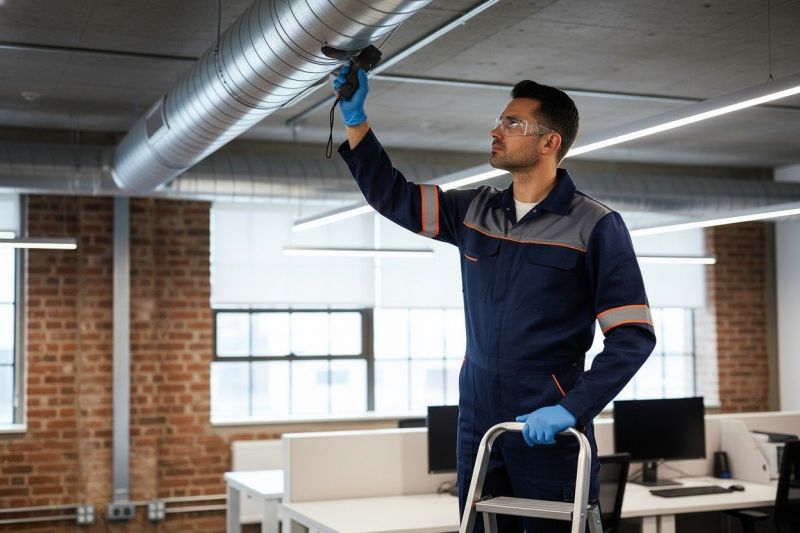
Clearly describe your indoor air quality testing project to compare local contractors, verify their experience, and set clear expectations in writing.
- Verify the contractor’s experience with indoor air quality testing to ensure familiarity with relevant methods and equipment. - Consider how the service provider defines the scope of testing to match specific indoor air concerns.
- Compare the testing techniques and equipment used by different local contractors to ensure comprehensive assessment options. - Clarify what types of contaminants or pollutants are tested for during the process.
- Review the contractor’s process for providing detailed, written reports of test results and findings. - Ensure the documentation clearly explains the results and any recommended actions.
- Check if the service providers offer guidance on interpreting test results to help make informed decisions. - Understand how the contractor explains the significance of the findings and potential next steps.
- Confirm that the scope of testing includes all relevant areas and potential sources of indoor air quality issues. - Make sure the testing covers both common and specific concerns based on the indoor environment.
- Ensure that the contractor discusses any necessary follow-up testing or remediation options in writing. - Clarify how additional services or testing phases are documented and communicated.
Compare local contractors’ experience and services to clearly define your indoor air quality testing scope.
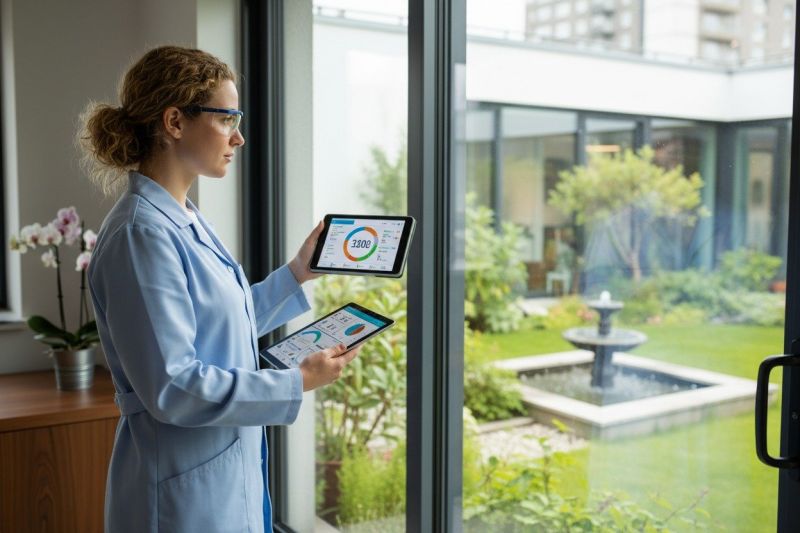

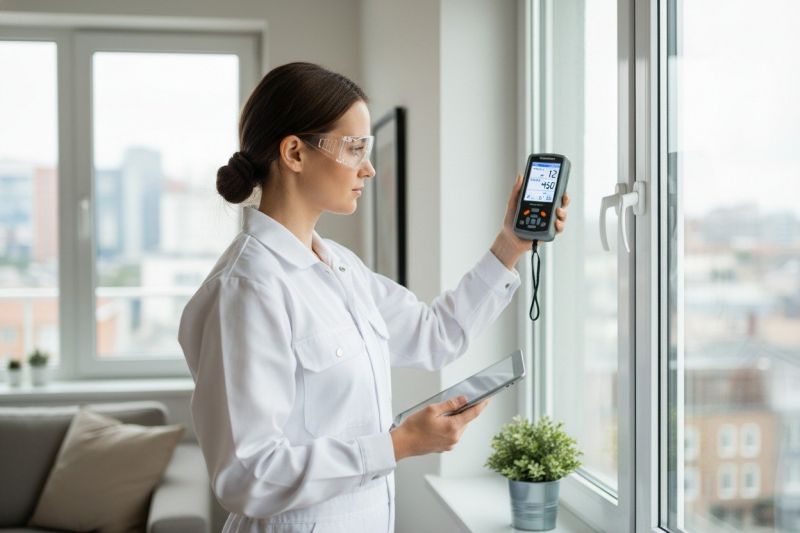
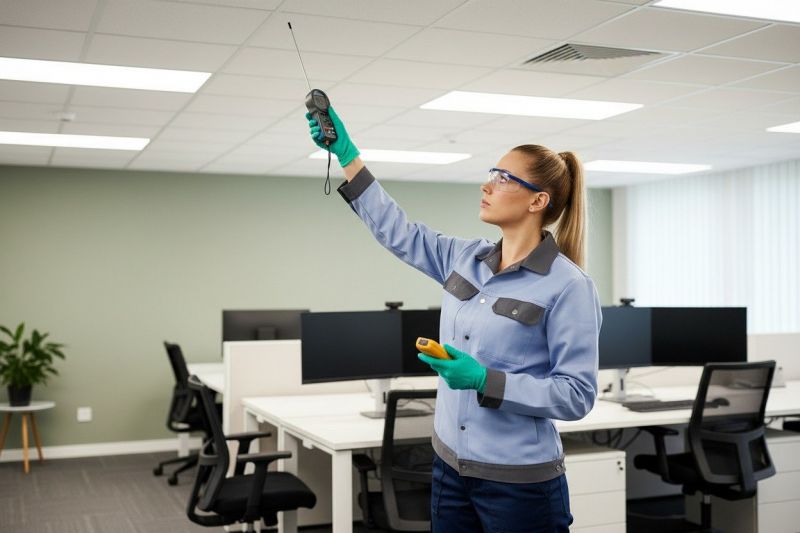
Learn how to compare indoor air quality testing contractors, define your scope, verify experience, and set clear expectations in writing.
- Scope Definition - Clearly outline the specific indoor air quality issues to be tested and assessed.
- Testing Methods - Specify the types of tests and sampling techniques that will be used during the evaluation.
- Experience and Credentials - Verify the background and experience of service providers in conducting indoor air quality testing.
- Reporting and Documentation - Ensure the scope includes detailed results reports and documentation of findings.
- Written Agreement - Confirm all testing procedures, scope, and expectations are documented in a formal agreement.
When comparing contractors for indoor air quality testing, it is important to evaluate their experience with similar projects. Service providers who have a proven track record in testing environments comparable to the home in question are more likely to understand the specific challenges and nuances involved. Asking about previous work that aligns with the home's size, layout, or known concerns can help gauge their familiarity with the type of testing needed. This background can contribute to more accurate assessments and reliable results.
A clear, written scope of work is essential to ensure both parties have aligned expectations. The scope should detail what testing will be conducted, which areas will be tested, and what types of samples or measurements will be taken. Avoid vague descriptions by requesting a comprehensive outline of the procedures and deliverables. Having this information in writing helps prevent misunderstandings and provides a reference point throughout the process, making it easier to evaluate whether the service provider’s approach matches the specific needs of the home.
Verification basics involve understanding how the contractor plans to confirm the accuracy and reliability of the testing results. Service providers should explain their testing methods, the types of equipment used, and how they interpret the data collected. They should also be transparent about any follow-up steps, such as retesting or additional analysis, if initial results indicate potential issues. This level of detail helps homeowners assess whether the contractor’s approach adheres to standard practices and provides confidence in the findings.
Evaluating options without focusing on prices involves reviewing how each contractor’s offerings align with the project’s scope and expectations. Consider the clarity of their communication, the detail in their scope of work, and their approach to verification. It is also helpful to ask how they plan to document findings and whether they provide comprehensive reports. Comparing these aspects allows homeowners to identify service providers who demonstrate professionalism, transparency, and a thorough understanding of indoor air quality testing, ensuring the selection process is based on quality and suitability rather than cost alone.
Ask contractors to provide written scope details to ensure clarity and consistency in the indoor air quality testing process.
- **Scope of Testing** - What specific indoor air quality factors will the contractor test for and how will they define the testing process?
- **Experience and Expertise** - How can I verify the contractor’s experience with indoor air quality testing and their familiarity with different testing methods?
- **Testing Equipment** - What types of testing equipment do the service providers use, and are they appropriate for the scope of testing needed?
- **Reporting and Recommendations** - How will the contractor document the testing results, and what kind of written recommendations will they provide?
- **Comparison Criteria** - What criteria should be used to compare different local contractors’ testing approaches and scope of services?
What should I consider when choosing a contractor for indoor air quality testing? It's important to compare the experience and reputation of local service providers, review their scope of work, and ensure expectations are clearly defined in writing to find the right contractor for your needs.
How can I verify a contractor's experience in indoor air quality testing? You can ask for details about their previous projects, request references, or seek information about their familiarity with testing methods and equipment used in indoor air quality assessments.
What questions should I ask a contractor before hiring for air quality testing? Inquire about their testing procedures, the scope of services offered, how they interpret results, and how they will communicate findings to ensure transparency and clarity.
How important is setting expectations in writing with a contractor? Clearly documented expectations help prevent misunderstandings, define the scope of work, and establish agreed-upon deliverables, making it easier to compare and evaluate contractor proposals.
What factors can help me compare different indoor air quality testing contractors? Consider their experience, scope of services, clarity of communication, and how thoroughly they define the testing process and reporting in written agreements.
Why is it helpful to define the scope of testing in advance? Defining the scope ensures that all parties understand what testing will be performed, helps in evaluating proposals, and ensures the selected contractor can meet your specific indoor air quality assessment needs.
By exploring the options available, visitors can gain a clearer understanding of how to select qualified contractors for indoor air quality testing. Learning to define the scope of work, verify experience, and set clear expectations in writing helps ensure that the process aligns with individual needs. Using the quote form to compare local service providers makes it easier to identify options that meet specific criteria and preferences.
Taking advantage of the quote form allows visitors to connect with trusted service providers in their area who specialize in indoor air quality testing. This approach enables a straightforward way to evaluate different contractors, understand their offerings, and find solutions that suit personal requirements. Comparing local contractors through this method supports making informed decisions based on the information gathered.