
Compare Local Contractors for Thermostat Installation Success
Compare local contractors to define project scope, verify experience, and set clear expectations in writing for a successful thermostat installation.
Thermostat installation services typically involve removing existing thermostats and installing new units that can range from basic models to more advanced programmable or smart thermostats. These projects may include preparing the mounting area, connecting wiring properly, configuring device settings, and ensuring the thermostat integrates correctly with the heating and cooling systems. Property owners should clarify the scope of work with potential contractors to determine whether the installation includes any necessary upgrades to wiring, compatibility checks with existing systems, or additional components such as mounting brackets or control panels.
Defining the scope of thermostat installation is essential to set clear expectations and avoid misunderstandings. A detailed scope might specify the type of thermostat to be installed, the location of the device, any modifications needed to existing wiring or hardware, and the level of customization or programming required. Having this information in writing helps property owners compare bids more effectively, ensures all parties agree on what is included, and provides a reference point in case of questions or disputes later in the process.
When evaluating local contractors for thermostat installation, property owners should consider experience with similar projects, the range of services offered, and the clarity of communication. Comparing multiple service providers involves reviewing their descriptions of the scope of work, confirming their understanding of specific system requirements, and verifying their approach to installation procedures. Asking for references or examples of previous work can also provide insight into their expertise. Ultimately, selecting a contractor who clearly understands the project and communicates expectations in writing helps ensure the installation is completed to satisfaction.
Compare local contractors by outlining your priorities, verifying experience, and setting clear expectations in writing.
- Compare Contractor Experience - review the background and expertise of service providers to ensure they are qualified for thermostat installation.
- Define Project Scope - clearly outline the work to be done to set expectations and avoid misunderstandings.
- Verify Service Provider Credentials - check references and credentials to confirm the reliability of local contractors.
- Document Agreements in Writing - ensure all project details, scope, and expectations are documented before work begins.
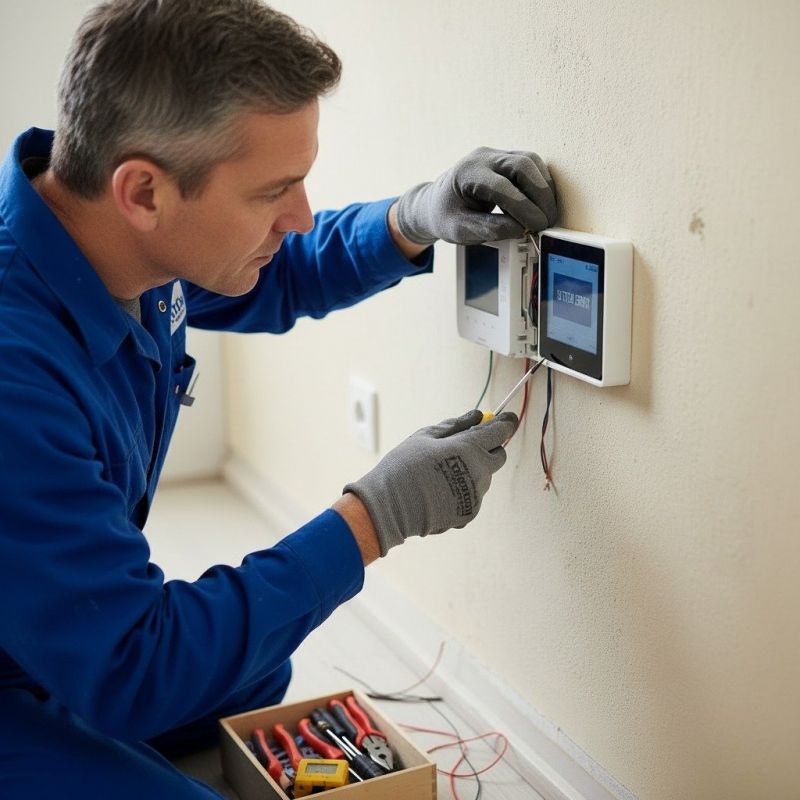
Clearly describe your thermostat installation project to effectively compare contractors, verify experience, and set expectations in writing.
- Verify the contractor’s experience with thermostat installation to ensure familiarity with different models and systems. - Look for service providers who clearly outline the scope of work and installation process in writing.
- Check that the contractor provides detailed descriptions of the materials and equipment they plan to use for the installation. - Ensure the scope of work includes any necessary electrical work or system adjustments.
- Confirm that the contractor assesses your existing wiring and system compatibility before beginning work. - Clarify whether the installation requires additional components or modifications to your current setup.
- Request a written estimate that specifies the installation steps, materials, and any additional services included. - Make sure all expectations are documented to prevent misunderstandings.
- Compare multiple local contractors to evaluate their experience, scope of work, and clarity of communication. - Prioritize service providers who demonstrate professionalism and transparency in their proposals.
Compare local contractors’ experience and clarify project scope to ensure a smooth thermostat installation.
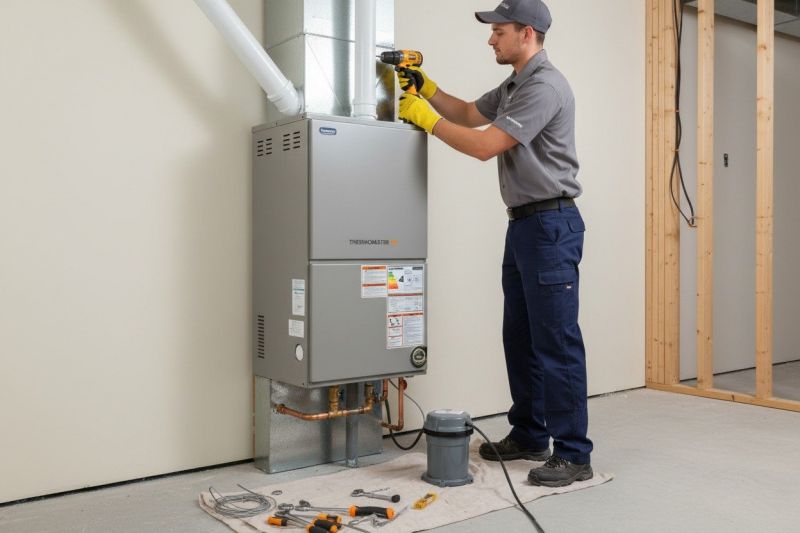
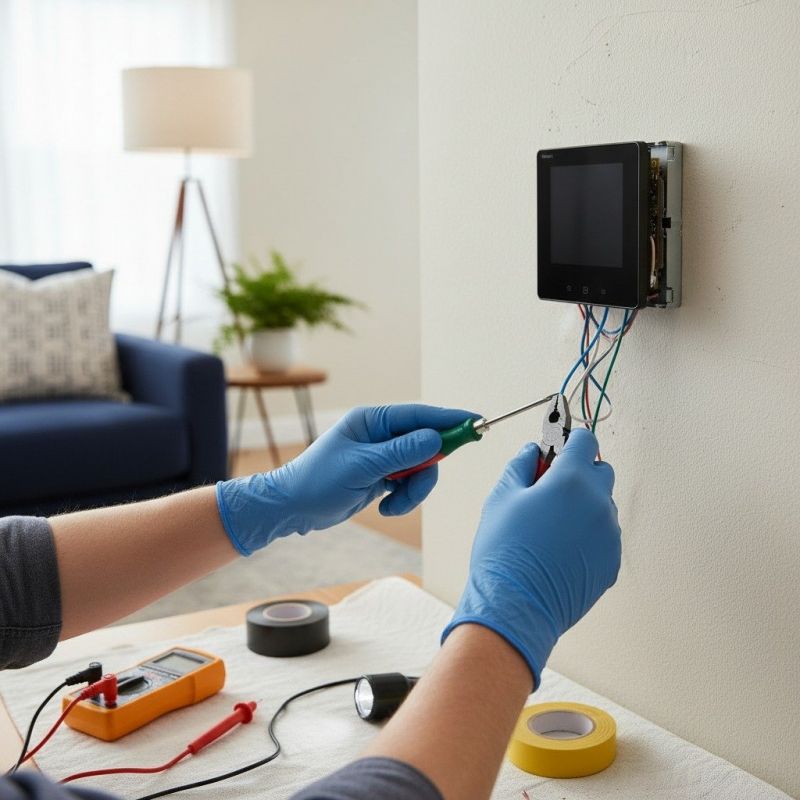
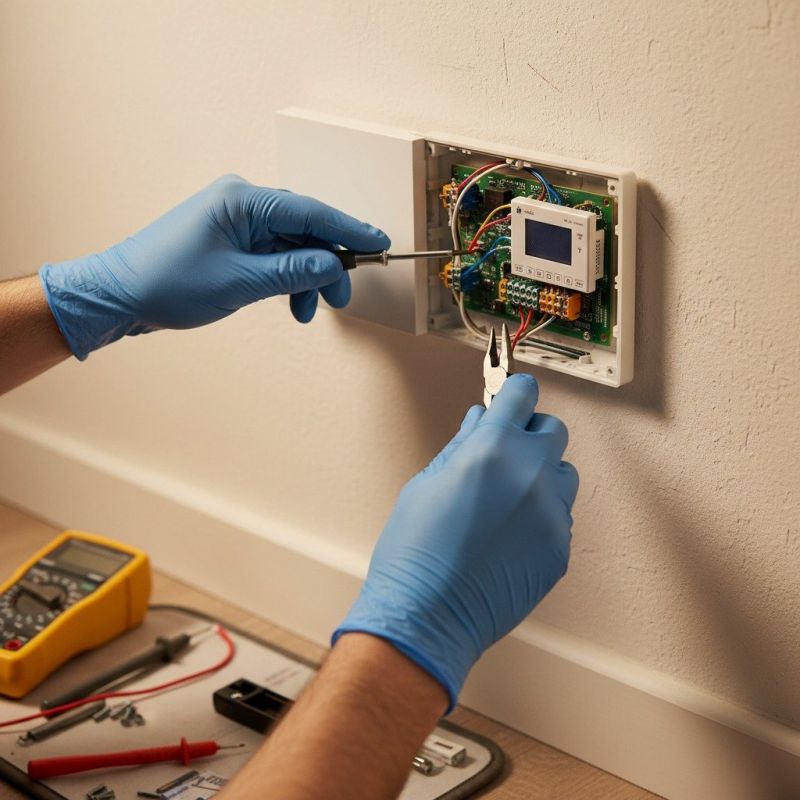
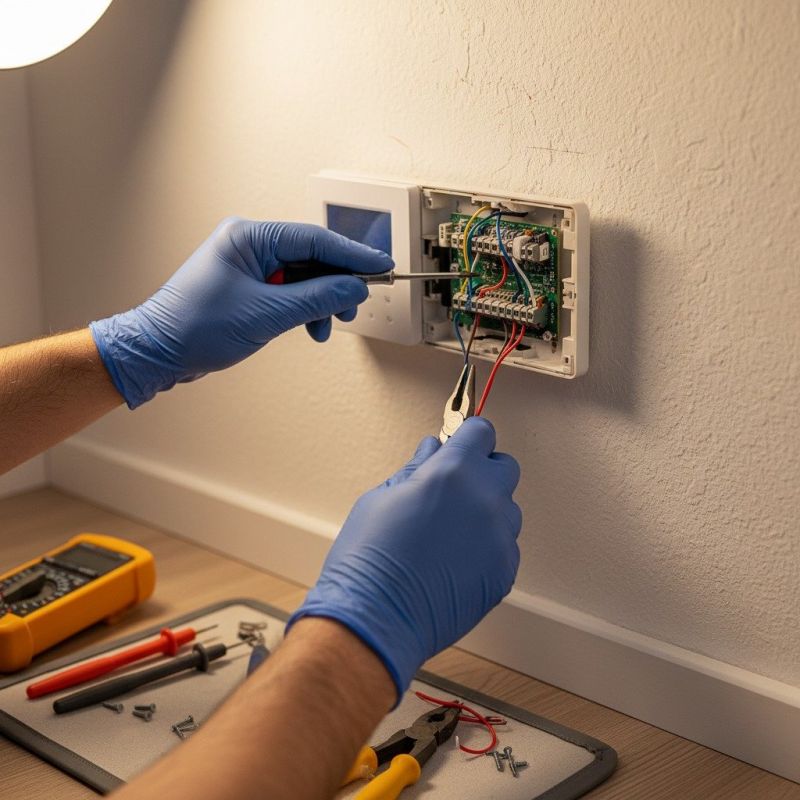
To compare contractors effectively, establish consistent scope definitions, verify experience, and document expectations clearly.
- Scope Definition - Clearly outline the specific tasks involved in the thermostat installation to ensure mutual understanding.
- Experience Verification - Confirm that local contractors have relevant experience with the type of thermostat being installed.
- Material Specification - Specify the thermostat model and any additional components or accessories required for the installation.
- Installation Requirements - Define the installation location, wiring needs, and compatibility considerations for the thermostat.
- Documentation and Warranties - Request written details of the scope, warranties, and service expectations from the service providers.
When comparing contractors for thermostat installation, it is important to evaluate their experience with similar projects. Homeowners should inquire about the types of thermostats the service providers have installed and whether they have worked with systems comparable to the one in their home. Contractors with a proven track record of completing comparable installations are more likely to understand potential challenges and deliver a smooth process. Verifying a contractor’s familiarity with different thermostat models and integration requirements can help ensure the chosen service provider has the relevant expertise to meet specific needs.
A clear, written scope of work is essential for establishing mutual understanding and setting expectations. Homeowners should seek detailed descriptions of the installation process, including any preparatory work, removal of old devices, and steps involved in wiring or configuring the thermostat. Having a documented scope helps prevent misunderstandings and provides a reference point throughout the project. It is also advisable to confirm that the scope includes any necessary adjustments or testing to verify that the thermostat functions properly once installed.
Verification basics involve ensuring that the service provider can demonstrate their understanding of the installation requirements and quality standards. Homeowners can ask about the steps they take to verify proper wiring, compatibility, and system integration. Clarifying how the contractor tests the new thermostat and confirms it operates correctly can help ensure the work meets expectations. Additionally, understanding whether the service provider follows established procedures for troubleshooting and addressing potential issues can contribute to a smoother installation experience.
Evaluating options without focusing on prices involves assessing the quality of the service providers’ proposals and their approach to the work. Homeowners should compare the scope of work, experience, and communication clarity among different contractors. It’s helpful to review how each service provider explains the process and their methods for ensuring a successful installation. Asking about warranties or guarantees related to the work can also provide insight into the level of confidence the contractor has in their service. Ultimately, choosing a contractor based on their expertise, clear communication, and thorough approach can lead to a more satisfactory thermostat installation.
Ask contractors to provide written scope details to ensure clear expectations and consistent project understanding.
- Experience Verification - What specific experience do local contractors have with installing the type of thermostat needed?
- Scope of Work - How will the service provider define and document the scope of thermostat installation services?
- Comparison Criteria - What factors should be used to compare different contractors beyond pricing and availability?
- Qualifications - How can homeowners verify the qualifications or expertise of local service providers for thermostat installation?
- Written Agreements - Why is it important to have a clear, written description of the installation process and responsibilities?
What should I consider when choosing a contractor for thermostat installation? It's important to compare local contractors based on experience, reputation, and the scope of services they offer to ensure they meet your specific needs.
How can I verify a contractor's experience with thermostat installation? You can ask for details about their previous work, request references, or review any available credentials to gauge their familiarity with the type of thermostat you want installed.
Why is it helpful to define the scope of work in writing? Having a clear, written scope helps set expectations, prevents misunderstandings, and provides a record of what services are included in the installation project.
What questions should I ask a contractor before hiring for thermostat installation? Inquire about their experience, the process they follow, the materials they use, and how they handle any potential issues that may arise during installation.
How can I compare different service providers effectively? Review their credentials, compare their proposed approaches, and check references or reviews to assess their reliability and quality of work.
What is the importance of setting clear expectations with a contractor? Clear expectations help ensure that both parties agree on the scope, procedures, and responsibilities, leading to a smoother installation process and satisfactory results.
This page has outlined key steps to help compare and select qualified contractors for thermostat installation. Visitors learned how to define the scope of their project, verify the experience of potential service providers, and establish clear expectations in writing to ensure a smooth process. These guidelines can assist in making informed decisions when choosing local contractors for this service.
To find the right professional for thermostat installation, use the quote form to explore options available in the area. Connecting with reputable local service providers allows for a personalized comparison of their offerings, helping to identify the best fit for specific needs. Taking these steps can support a confident decision when selecting a contractor for the job.