
Compare Local Contractors for Residential Air Testing Services
Compare local contractors for residential air testing to verify experience, define scope clearly, and set expectations in writing for a successful project.
Residential air testing services typically involve evaluating indoor air quality to identify issues such as mold, allergens, volatile organic compounds (VOCs), and other airborne contaminants. These inspections often include sampling indoor and outdoor air, testing for specific pollutants, and assessing ventilation systems. The goal is to provide property owners with a clear understanding of the air quality inside their homes, which can be essential for addressing health concerns, verifying the effectiveness of filtration systems, or ensuring compliance with health standards.
Defining the scope of air testing work is an important step that influences the accuracy and usefulness of the results. Clear communication about what is being tested, the areas covered, and the types of samples collected helps property owners set realistic expectations and ensures that the service addresses specific concerns. A well-defined scope can also prevent misunderstandings or incomplete assessments, making it easier to interpret findings and determine any necessary follow-up actions.
When comparing local contractors for residential air testing, property owners should consider their experience with similar projects and the range of testing services offered. It’s useful to verify that the service providers are familiar with the types of tests needed for particular issues and that they can provide detailed, written descriptions of the work to be performed. Checking references or reviews and ensuring that scope details are documented can help property owners make informed decisions and select a contractor who aligns with their specific testing needs.
Compare local contractors by outlining your needs, verifying experience, and setting clear expectations in writing.
- Compare Contractor Credentials - Review the experience and qualifications of local contractors to ensure they meet your project needs.
- Define Project Scope Clearly - Communicate specific testing requirements and expectations to avoid misunderstandings.
- Verify Service Offerings - Confirm that contractors provide residential air testing and related services suitable for your property.
- Document Agreements in Writing - Ensure all scope details and expectations are documented to facilitate clear understanding.
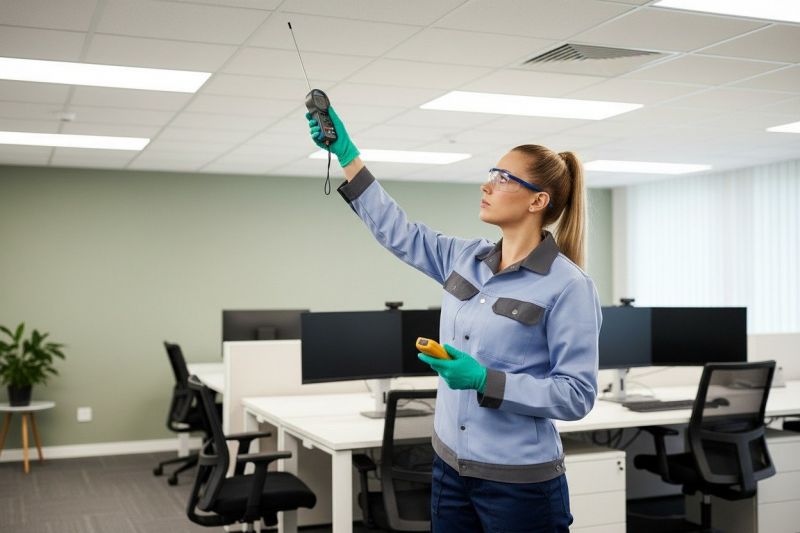
Before comparing residential air testing contractors, clearly describe your project scope, verify their experience, and set expectations in writing.
- Verify experience and expertise of service providers in residential air testing. - Ensure contractors clearly define the scope of testing and the methods they will use.
- Compare credentials and references to assess the reliability and quality of local contractors. - Look for detailed written estimates that specify testing procedures and expected outcomes.
- Confirm that service providers follow industry standards and best practices for air quality assessments. - Ask for a comprehensive explanation of how results will be documented and reported.
- Review the contractor’s process for identifying potential sources of air quality issues during testing. - Make sure the scope includes recommendations for improvements if issues are found.
- Ensure that all expectations, deliverables, and responsibilities are outlined in a written agreement. - Clarify what testing will include and how findings will be communicated before work begins.
Compare local contractors’ experience and clarify your project scope to ensure effective air testing.
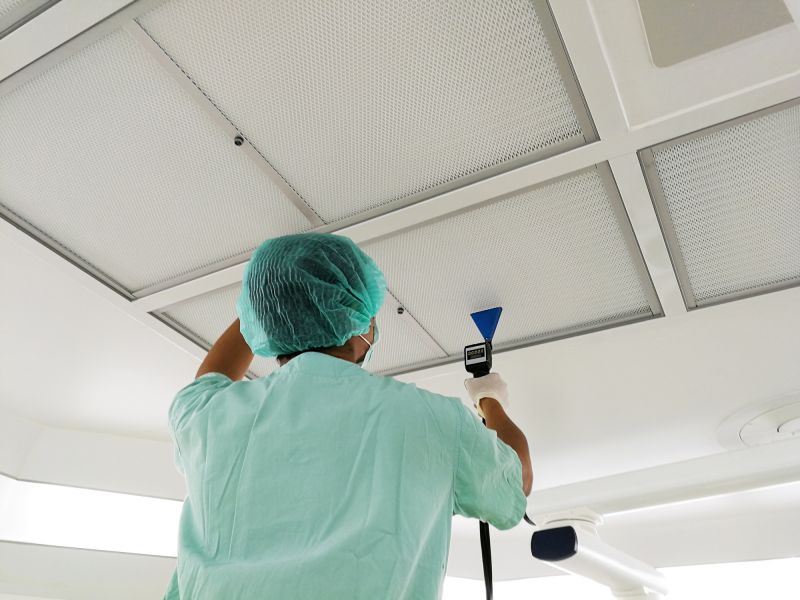
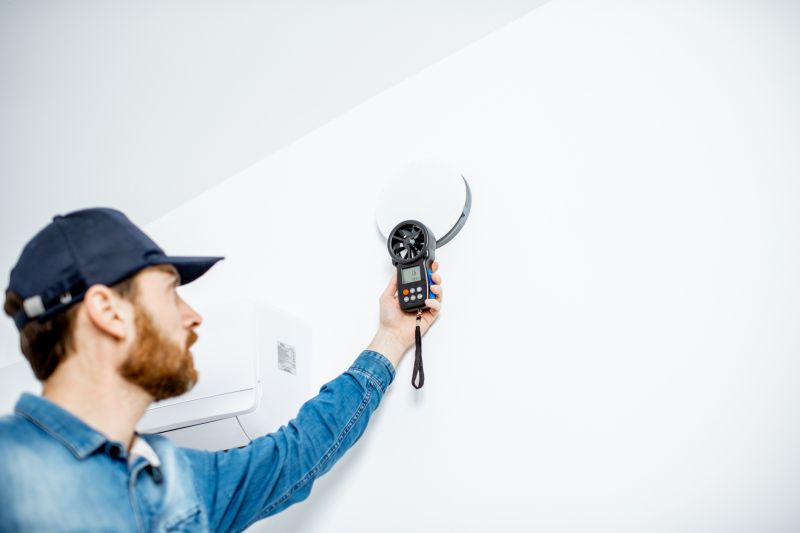
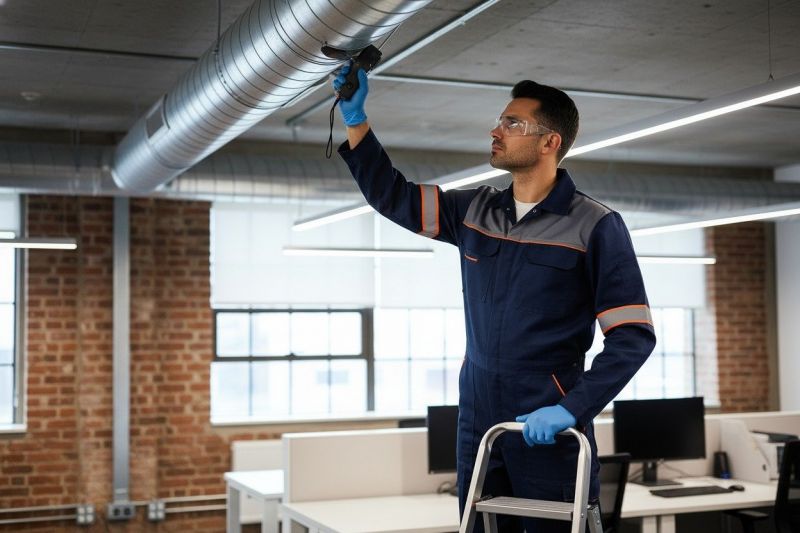

Compare local contractors' scope of work, verify their experience, and clearly define expectations to ensure consistent results.
- Scope Definition - Clearly outline the specific air testing services required for the residential property.
- Experience Verification - Confirm that the service providers have relevant experience in residential air testing procedures.
- Methodology Clarification - Specify the testing methods and equipment that will be used during the assessment.
- Documentation Expectations - Ensure that the scope includes detailed reporting and documentation of test results.
- Work Scope Agreement - Establish a written agreement that defines the responsibilities and boundaries of the testing services.
When evaluating contractors for Residential Air Testing, it is important to consider their experience with similar projects. Homeowners should seek service providers who have a history of performing air testing in residential settings comparable to their own, whether it involves new construction, renovations, or troubleshooting indoor air quality issues. A contractor’s familiarity with the specific challenges and requirements of similar projects can help ensure that the testing procedures are thorough and appropriate for the home's unique characteristics.
A clear, written scope of work is essential when comparing options. This document should outline the specific testing methods to be used, the areas to be tested, and the expected deliverables. A detailed scope helps set transparent expectations and provides a basis for evaluating the thoroughness and professionalism of each service provider. Homeowners are encouraged to review these scopes carefully to ensure they align with their concerns and objectives, avoiding ambiguities that could lead to misunderstandings later.
Understanding the basics of verification is key to assessing the reliability of Residential Air Testing services. Reliable contractors typically follow standardized procedures to verify airflow, ventilation rates, and potential sources of contamination. They should be able to explain the testing process clearly, including how results are interpreted and what benchmarks or standards are applied. This foundational knowledge helps homeowners gauge whether the testing will produce meaningful, actionable insights into indoor air quality.
When comparing different service providers, homeowners should focus on how well each contractor’s approach aligns with their project needs and expectations. It’s important to ask questions about the testing methods, the scope of work, and how results will be communicated. Clear, detailed information enables homeowners to make informed decisions based on the professionalism and thoroughness of each local contractor, rather than just on price or promotional claims. This approach helps ensure that the selected service provider will deliver reliable, comprehensive Residential Air Testing.
Ask contractors to provide written scope details to ensure clarity and consistency throughout the residential air testing process.
- Scope of Testing - What specific areas or systems will the contractor test during residential air testing?
- Testing Methods - Which testing techniques or equipment will the service providers use to assess indoor air quality?
- Experience and Expertise - How can homeowners verify the contractors’ experience with residential air testing projects?
- Scope Clarification - Are the services clearly outlined in writing to ensure understanding of what is included and excluded?
- Comparison Criteria - What factors should be considered when comparing different local contractors’ testing procedures and scope?
What should I consider when choosing a contractor for residential air testing? It’s important to compare local service providers based on their experience, reputation, and the scope of services they offer to ensure they meet your specific testing needs.
How can I verify a contractor’s experience with residential air testing? You can review their previous work, ask for references, or check their background to confirm they have relevant experience handling similar testing projects.
What questions should I ask a contractor before hiring for air testing services? Inquire about their process, the types of tests they perform, what equipment they use, and how they define the scope of work to ensure clarity and alignment with your expectations.
How important is it to have written documentation of the testing scope and procedures? Having detailed, written documentation helps set clear expectations, ensures all parties agree on the scope, and provides a record of the testing process.
What factors can help me compare different contractors for residential air testing? Consider their experience, the thoroughness of their testing procedures, reputation, and how well their services match your specific testing requirements.
Why is it beneficial to work with local contractors for air testing services? Local service providers are familiar with regional standards and conditions, which can help ensure the testing is accurate and relevant to your residential environment.
This page has highlighted the key aspects of selecting a contractor for residential air testing, including understanding the scope of work, verifying experience, and establishing clear expectations in writing. By comparing local service providers, homeowners can find options that align with their specific needs and ensure a smooth testing process. Utilizing the quote form can help facilitate comparisons among nearby contractors, making it easier to evaluate choices without the need for commitments or assumptions.
Encouraging a thoughtful approach, this resource emphasizes the importance of gathering information and reviewing local contractors' qualifications to make informed decisions. Using the quote form to connect with service providers allows homeowners to explore their options, define project details, and set clear expectations-helping to ensure the right professional is chosen for residential air testing needs.